
Understanding Financial Stress in India
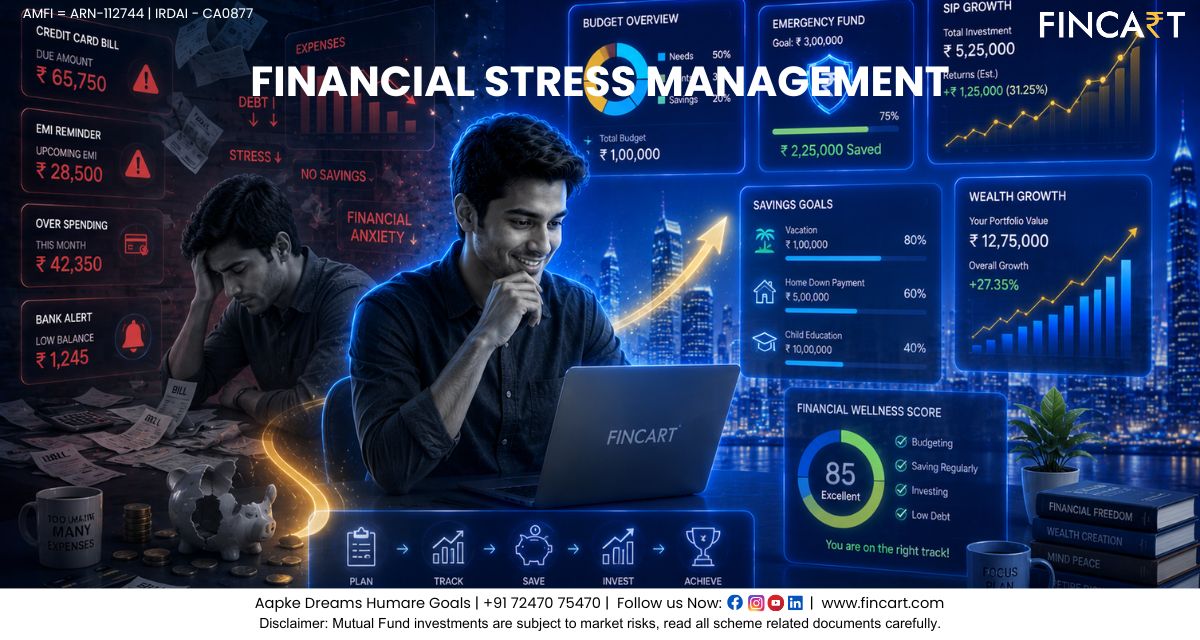
Financial stress management is about reducing anxiety and strain caused by money problems. For many Indians, managing financial stress — the worry triggered by income shortfalls, debts or economic uncertainty — is essential. In fact, 87% of Indians surveyed expect rising financial uncertainty in the coming years, so having a clear plan matters. Financial stress is officially defined as “a condition…resulting from financial events that create anxiety, worry or a sense of scarcity”. Such stress affects mental and physical health – studies show money worries can cause insomnia, anxiety, relationship strain and even physical tension.
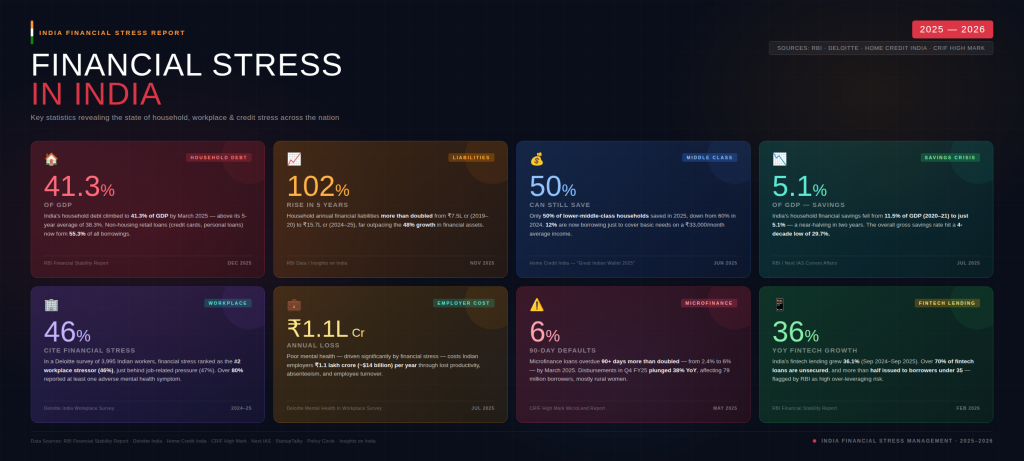
Governments and regulators are taking notice. RBI data (as cited in HDFC TRU’s analysis) shows that household debt reached ~42% of GDP by 2024, with most borrowing now in consumer loans (credit cards, personal loans). This suggests many families rely on credit for everyday needs, which can heighten pressure if incomes fall. Worldwide, the problem is similar — for example, in the United States, 82% of adults report feeling stressed about money (a useful comparison figure, though the drivers differ by country). In India, rising costs of education, healthcare, and living expenses (noted as top concerns in a recent survey) compound this stress. Financial wellness means building stability and control: feeling confident about your financial future and protected against setbacks.
Common Causes of Financial Stress
Financial stress often stems from predictable sources. In India, typical triggers include:
- Unstable Income or Employment: Job loss, reduced hours or irregular freelance work make budgeting difficult. The recent economic uncertainty in India has left many worried about future earnings.
- High Debt Levels: Personal loans, credit cards, student loans or business debt can quickly escalate when interest rates rise. The RBI notes that non-housing loans (personal credit, auto loans, credit cards) now make up approximately 55% of household debt. Heavy EMIs (Equated Monthly Installments) can drain take-home pay.
- Inflation and Rising Costs: Surging prices for food, fuel, utilities and rent squeeze budgets. When routine expenses climb, even stable jobs can feel insufficient. A national report found that family expenses (especially education and healthcare) are Indians’ top worry.
- Unexpected Expenses: Medical emergencies, major repairs, or events like weddings can upend finances if there’s no buffer. Even in households that save, surprise costs create immediate stress.
- Low Financial Literacy: Only about 27% of Indian adults are considered financially literate. Many people lack basic money-management skills or understanding of interest rates, tax benefits, and investment options, making poor decisions more likely. This literacy gap means more Indians fall into debt traps or miss out on simple financial safeguards.
Overall, financial stress in India is a mix of personal factors (debt, income) and broader trends (inflation, economic shifts). Recognizing these causes can help you address the root issues, rather than just the symptoms.
Recognizing Signs and Impact
How do you know when money worries have become financial stress? Common signs include:
- Emotional Symptoms: Constant anxiety about bills, irritability or mood swings, feelings of hopelessness about money, or guilt over spending. Many people report lying awake worrying about finances.
- Physical Symptoms: Headaches, fatigue, insomnia or stomach aches. Research indicates that financial worries can manifest physically (e.g. tension headaches or heart palpitations).
- Behavioral Changes: Avoiding bank statements, procrastinating on budgeting or bill payments, or making frequent excuses to cancel plans. You might overeat, oversleep, or turn to unhealthy habits as a coping mechanism.
- Relationship Strain: Frequent arguments about money with a spouse, partner or family. The stress can spill over into communication, leading to isolation or conflicts. In the workplace, financial stress can reduce concentration and productivity.
These signs matter because chronic financial stress can lead to serious mental health issues (depression, anxiety disorders) and even physical illness if not addressed. By catching the red flags early—like sleepless nights over credit card debt—you can take action before the cycle worsens.
Effective Strategies to Manage Financial Stress
The good news is that financial stress management involves concrete steps you can take right away. Here are practical, expert-recommended strategies:
Assess Your Finances and Budget
Begin by getting a clear picture of where you stand. List all your sources of income and all your expenses (rent, food, bills, loans, etc.). Include even small costs like a daily chai or OTT subscriptions. Organize statements for the last month and list your total income vs. outgo. Identifying exactly how much money comes in and goes out each month is critical. This “snapshot” helps you spot problem areas (such as credit card overspending) and guides next steps.
Use this overview to create a realistic budget. A useful rule is the 50/30/20 budget: allocate ~50% of take-home income to needs (rent, groceries, utilities, insurance), 30% to wants (dining out, movies, shopping) and 20% to savings/debt repayment. Automate bill payments and savings where possible (for example, setting auto-pay on your gas bill or auto-debit for a savings account). Spreadsheets or budgeting apps can help track this easily. The goal is to make sure essentials are covered first, then limit non-essential spending so you avoid deficits.
Build an Emergency Fund
Nothing eases money anxiety like having a cash buffer. Aim to set aside 3–6 months’ worth of living expenses in a liquid emergency fund[14]. Start small: even saving ₹500–1000 per paycheck adds up. Keep this fund in a safe, accessible account (like a high-interest savings account or liquid mutual fund). Automate contributions so you “pay yourself first.” Having a fund that can cover unexpected costs (medical bills, job loss, car repair) brings peace of mind by preventing future debt. As one guide notes, knowing you have this safety net “reduces stress, letting you focus on your money management strategies”.
Manage Debt and Expenses
If you carry high-interest debts (credit cards, personal loans), tackling them is a priority. Make a list of all debts with their interest rates. Consider debt-repayment strategies like:
- Snowball Method: Pay off the smallest debt first to gain quick wins, then roll that payment into the next debt.
- Avalanche Method: Focus extra payments on the debt with the highest interest rate to save on total interest paid.
Try negotiating with lenders for better rates or consolidation options. At the same time, look for ways to cut recurring costs:
- Trim Subscriptions: Cancel or pause underused services (streaming, gym, memberships). Many don’t realize they spend ₹200–300+ monthly on unused subscriptions.
- Reduce Bills: Switch to cheaper plans for phone/internet, turn off unused lights, adjust the AC/room heater. Small utility savings add up.
- Shop Smart: Plan groceries, use list-based shopping, compare prices. According to UN data, Indian households waste approximately 55 kg of food per person annually — reducing this directly cuts grocery spending. Buying what you need prevents “leaks” in your budget.
Cutting these costs gives you more cash to pay down debt. Even a small extra payment each month can shorten the life of a loan and reduce the total interest you’ll owe.
Increase Income and Saving Wisely
Boosting your income can relieve pressure. Consider part-time work, freelancing, or tutoring in your field. Even short-term gigs (like delivery, online surveys or short courses) can bridge a gap. Selling unwanted items or using cashback/reward apps (e.g. CRED for rewards and cashback on bill payments) can yield quick cash. Once you generate extra funds, use them strategically: funnel a portion into debt repayment and a portion into long-term savings. For investments, start simple: Indian investors often use Systematic Investment Plans (SIPs) in mutual funds to build savings steadily. SIPs and instruments like the Public Provident Fund (PPF) or the National Pension System (NPS) provide disciplined, low-stress ways to save. Having even a modest retirement or child-education fund reduces the worry of future expenses.
Practice Mindful Spending
Money management isn’t just numbers – it’s also about behavior. Being mindful means making conscious spending choices rather than impulse buys. Before any purchase, ask yourself: “Does this align with my financial goals, or is it just a fleeting desire?”. Cultivating gratitude for what you already have helps curb compulsive spending driven by emotions or social pressure. For example, rather than buying the latest gadget, focus on experiences or savings that truly add value to your life.
Budget rules should also include some room for enjoyment. Avoid becoming too strict (“extreme saving” can lead to burnout). Allocate a small portion of your income to fun activities so you don’t feel deprived. This balanced approach – saving for tomorrow and spending wisely today – is key to long-term financial wellness.
Seek Professional Help When Needed
Sometimes doing it alone can feel overwhelming. In such cases, turning to a professional can provide structure and relief. A qualified financial consultant or advisor can review your situation, suggest personalized strategies (like debt consolidation or an investment plan), and keep you accountable. Experts can often spot issues you might miss, such as expensive insurance or tax-inefficient investments.
As one guide advises, “Seek advice from a financial planner or counselor” if stress persists. This isn’t a sign of failure – it’s smart planning. Certified advisers (e.g. SEBI-registered Investment Advisors or Certified Financial Planners) offer unbiased, fee-only advice, unlike sales agents. They should ask about your income, goals and fears rather than immediately selling products. If you work with a planner, clarify their fee structure (flat fee, percentage of assets, etc.) so their incentives align with your interests.
Seeking help can save money and stress in the long run. For example, an financial advisor can set up a structured debt payoff plan, optimize your tax-saving investments, or build a retirement roadmap. Knowing you have a professional “on your side” can be a huge comfort, allowing you to focus on daily life instead of money worries.
When to Consult a Financial Consultant or Planner
Financial consultant and financial planner are terms often used interchangeably, but there are differences. A financial planner is typically someone (often CFP-certified) who takes a holistic approach to your money: setting long-term goals (retirement, education, estate) and creating a comprehensive plan. insurance or mutual funds). In India, the regulator SEBI requires true investment advisors to act in your interest, provide conflict-free guidance, and disclose any commissions.
You might consult a professional when:
- You feel overwhelmed by debt or paperwork (not sure where to begin).
- Major life changes loom (marriage, new baby, retirement).
- You want to invest a lump sum but lack expertise.
- You’re not confident in your self-made budget and need accountability.
In short, hiring help is worth it when the stress of “doing it yourself” exceeds the cost of an advisor. According to industry surveys (note: sourced from a financial planning platform), about 71% of Indian investors trust advisors for planning, yet only 15% actually use certified planners. If you choose to hire, look for SEBI-registered, fee-only planners or RIAs (Registered Investment Advisors) who hold certifications (like CFP). Ask prospective advisors how they are paid and whether they have fiduciary duty – this ensures they put your needs first.
Pros of hiring a planner/consultant: Professional guidance, personalized goals, and often better long-term results. A good advisor can also save time and reduce anxiety by handling paperwork. Cons: Fees and the need to find a trustworthy expert. Beware of commission-driven “consultants” who push high-commission products – instead, seek a truly independent planner.
Tools, Apps, and Resources in India
Managing finances is easier today with technology. In India:
- Banking & Payment Apps: UPI-based wallets (Google Pay, PhonePe, Paytm) and bank apps allow cashless payments and easy bill splitting, reducing the stress of dealing with cash or remembering due dates. Automating recurring payments (EMIs, utility bills) removes the worry of missed deadlines.
- Budgeting Apps: Tools like Walnut, MoneyView or ET Money help track spending in real-time. They link to your accounts and categorize expenses, showing where money goes each month. These visuals can alert you if you’re overspending on eating out or subscriptions.
- Investment & Savings Platforms: Apps like Groww, Zerodha, and INDmoney simplify investing in mutual funds or stocks even for beginners. They often include calculators and goal planners. Employers and banks also provide calculators for retirement or loans – using them can turn abstract goals into clear numbers.
- Government Schemes: Familiarize yourself with PPF, EPF (retirement), Sukanya Samriddhi (girl child education), and tax-saving investments under Sec 80C. Also, the National Pension System (NPS) offers a structured way to build retirement savings with tax benefits. These programs act as built-in stability if utilized.
- Financial Literacy Resources: The National Centre for Financial Education (NCFE) and websites like the Reserve Bank of India’s site offer guides on budgeting, credit, and loans. Reading plain-language articles (for example, RBI’s publications or RBI Governor’s speeches) can improve understanding and confidence.
By leveraging these tools and resources, you offload much of the routine work (tracking bills, saving automatically, monitoring credit score) to technology. This means less time worrying and more time focusing on solutions.
Summary of Key Takeaways
- Financial stress is a common challenge in India, driven by debt, income uncertainty and rising costs. It can cause anxiety, insomnia and relationship strain. Recognize the signs early to act.
- Assess and plan: Start by tracking every rupee. List all income, expenses, debts and assets. Create a budget (50/30/20 rule) that covers essentials first. Cut non-essentials (unused subscriptions, extra eats) to free up cash.
- Build a safety net: Save an emergency fund covering 3–6 months’ expenses. Even small regular deposits in a liquid account protect against sudden costs. This simple step greatly reduces money anxiety.
- Manage debts: Tackle high-interest loans systematically (snowball or avalanche method). Make more than minimum payments when possible. Consolidate or negotiate lower rates to ease EMI burdens. Reducing debt lowers monthly stress.
- Mindful spending: Align purchases with your goals. Before buying, ask if it serves a real need or adds value. Remember that experience/savings can be more fulfilling than impulse buys. Allocate some budget for fun, but avoid excessive guilt.
- Boost income and savings: If possible, increase earnings (side jobs, freelancing) and direct extra funds into debt payoff and investments (like SIP mutual funds). Utilize tax-advantaged schemes (PPF, NPS) to grow savings with less effort.
- Seek expert advice: If you’re overwhelmed, consult a qualified financial planner or SEBI-registered advisor. They can create a clear plan (debt repayment, investment, insurance) tailored to you. Even one or two sessions can provide actionable guidance and peace of mind.
- Use helpful tools: Leverage apps and calculators (budget trackers, investment platforms, UPI payments) to automate and visualize your money. Easy tech tools mean less manual tracking and fewer missed payments, which directly cuts stress.
By taking these steps—planning, saving, and seeking support—you can turn financial stress into confidence. Over time, disciplined habits and informed decisions will build stability. Remember: the goal isn’t just wealth, but calm and control over your finances.
FAQ Section
Q: What is financial stress management?
A: Financial stress management means proactively handling money-related anxiety. It involves understanding your financial situation, creating a plan, and using tools to reduce money worries. This could include budgeting, building savings, managing debt, and getting advice when needed. Essentially, it’s about regaining control over your finances so money worries cause less anxiety.
Q: How can I cope with financial stress?
A: Start by budgeting and tracking spending to see where you stand. Cut unnecessary costs (like unused subscriptions), and set aside an emergency fund to handle surprises. Address debts by paying off high-interest loans first. Seek income boosts (side gigs, freelancing) if possible. Importantly, address the emotional side: share money worries with family or a friend, and avoid avoidance – facing your numbers is key. If stress persists, consider professional guidance. Building these habits takes time but gradually reduces anxiety.
Q: What causes financial stress in India?
A: In India, common causes include job or business uncertainty, rising living expenses, and increasing personal debt. For example, many households rely on credit cards and personal loans for daily needs. Rapid inflation in education, healthcare and rent (reported as top worries by 87% of Indians) also drives stress. Unexpected costs (like hospital bills or car repairs) can instantly strain a monthly budget if there’s no buffer. Essentially, when expenses begin to outpace income or savings, financial stress arises.
Q: What is the difference between a financial planner and a financial consultant?
A: These terms overlap but differ in focus. A financial planner (often CFP-certified) usually provides comprehensive, long-term planning (retirement, insurance, estate) and typically charges a fee-for-service. A financial consultant/advisor is a broader term that may include brokers or agents who sell products. The key distinction is trust: in India, SEBI-registered planners/advisors must give unbiased advice and usually work fee-only. In contrast, some “consultants” earn commissions on sales (which can bias their recommendations). When choosing help, look for CFP or SEBI RIA credentials to ensure objectivity.
Q: When should I hire a financial advisor or planner?
A: Consider professional help if managing your finances causes significant stress or confusion. For example, if you have multiple loans, lack a clear budget, or are unsure how to invest savings. A planner is especially helpful during big life changes (marriage, having a baby, planning retirement). The same Aditya Birla survey cited earlier found that 84% of people agree planning helps reduce uncertainty, yet over a third have never consulted an advisor. If you’re overwhelmed, meeting a qualified planner (who asks about your goals and income) can bring clarity and a tailored plan, easing your burden.
Q: How do budgeting tools and apps help reduce financial stress?
A: Budgeting apps (like Walnut, MoneyView or ET Money) connect to your bank accounts and automatically categorize transactions. They show real-time charts of where your money goes, helping you stick to limits. Apps can also send alerts for bill due dates, low balances, or big expenses. In India, UPI wallets and bank apps simplify payments (reducing late fees), and digital calculators (for loans or retirement) turn abstract goals into numbers. Using these tools makes money management less manual and more organized, which directly cuts down worry about oversights or mistakes.
Q: What is an emergency fund and how much should I save?
A: An emergency fund is a savings buffer set aside for unplanned expenses. Financial advisors recommend saving about 3–6 months of living costs in this fund. For example, if your monthly family expenses are ₹30,000, aim for a fund of ₹90,000–₹180,000. Even starting with small, regular deposits builds this over time. This fund pays for things like medical emergencies or income loss, so you don’t have to incur debt. Having this safety net is often the single most effective step for peace of mind.
Q: Is financial planning really important for stress relief?
A: Yes. A structured financial plan gives direction and reduces uncertainty. When you have clear goals and a roadmap (budget, savings milestones, debt payoff timeline), you’re less likely to be caught off-guard. In fact, the Aditya Birla survey found that 84% of respondents believe financial planning is key to coping with uncertainty. A plan ensures you know where your money should go each month (rather than wondering what to do), which greatly lowers anxiety.